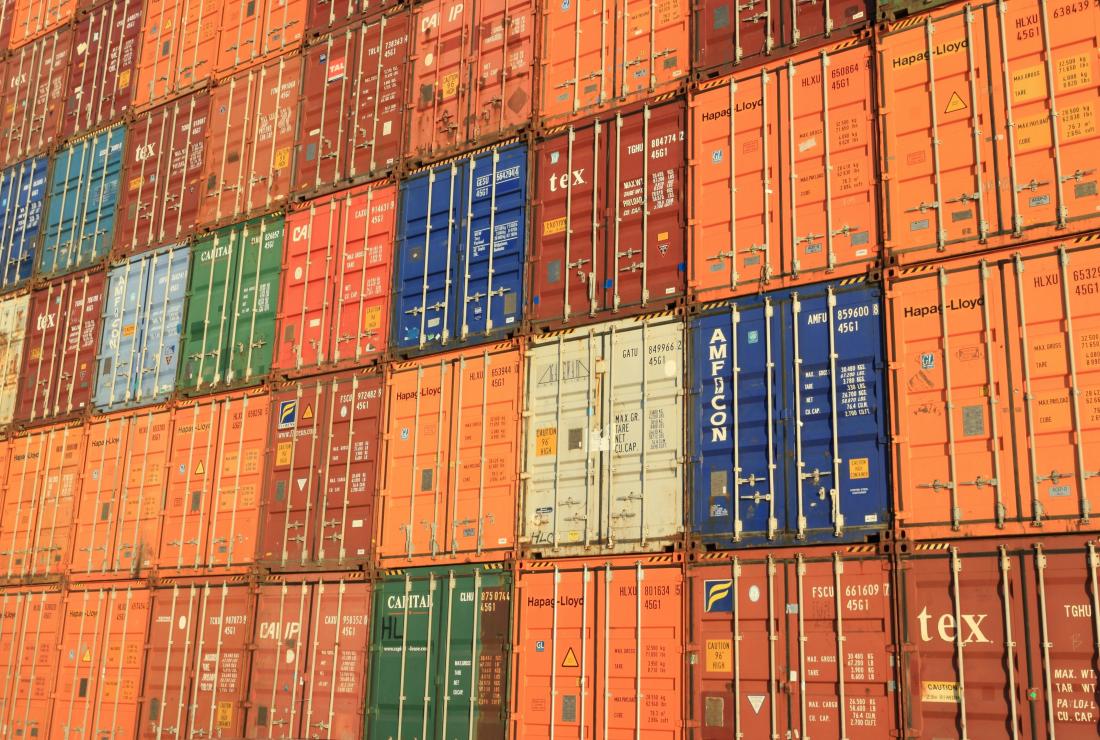
Top 10 Steps to Launch a Successful Import and Export Company in Ethiopia
Starting an import and export business in Ethiopia can be a rewarding venture, given the country’s strategic location, growing economy, and abundant natural resources. However, like any business, it requires careful planning, market knowledge, and a clear understanding of the regulatory environment. At Natnael Alebachew Import & Export, we’ve been through the journey and are here to share our expertise. Below are the top 10 steps you need to take to launch a successful import and export company in Ethiopia.
1. Conduct Thorough Market Research
Before diving into the import and export business, it’s crucial to understand the market dynamics. Identify the products that are in demand both locally and internationally. For example, Ethiopia is known for exporting coffee, oil seeds, and pulses, while there’s a growing demand for imported automobiles, construction equipment, and agricultural machinery. Analyze your competitors, study pricing trends, and identify potential buyers and suppliers.
2. Choose Your Niche
Specialization is key to standing out in the import and export industry. Decide whether you want to focus on exporting Ethiopian products, importing goods into the country, or both. For instance, you could specialize in exporting organic coffee or importing heavy construction machinery. Choosing a niche will help you build expertise and establish a strong reputation in your chosen sector.
3. Register Your Business
To operate legally in Ethiopia, you must register your company with the appropriate authorities. This includes obtaining a business license from the Ethiopian Investment Commission (EIC) or the relevant regional bureau. You’ll also need to register for tax identification and comply with local business regulations. Ensure that your business name is unique and reflects your brand identity.
4. Secure Financing
Import and export businesses often require significant upfront capital for purchasing goods, shipping, and handling logistics. Explore financing options such as bank loans, government grants, or partnerships with investors. Prepare a detailed business plan to present to potential financiers, outlining your revenue projections, market analysis, and operational strategy.
5. Build a Reliable Supply Chain
Your success in the import and export business depends heavily on your supply chain. Establish strong relationships with trusted suppliers and manufacturers, both locally and internationally. For exporters, this means working closely with Ethiopian farmers or producers to ensure consistent quality and supply. For importers, it means identifying reputable suppliers abroad who can deliver goods on time and at competitive prices.
6. Understand Trade Regulations and Documentation
Navigating the legal and regulatory landscape is critical in the import and export business. Familiarize yourself with Ethiopia’s trade policies, customs procedures, and import/export restrictions. Ensure that you have all the necessary documentation, such as commercial invoices, certificates of origin, and shipping permits. Partnering with a customs broker can simplify this process and help you avoid costly delays.
7. Invest in Logistics and Transportation
Efficient logistics are the backbone of any import and export business. Partner with reliable shipping companies, freight forwarders, and logistics providers to ensure that your goods are transported safely and on time. Consider the most cost-effective and efficient modes of transportation, whether by sea, air, or land. For perishable goods like coffee or pulses, ensure proper storage and handling to maintain quality.
8. Build a Strong Network
Networking is essential in the import and export industry. Attend trade fairs, industry events, and business conferences to connect with potential buyers, suppliers, and partners. Join industry associations such as the Ethiopian Pulses, Oilseeds, and Spices Processors-Exporters Association (EPOSPEA) to stay updated on market trends and opportunities. Building a strong network can open doors to new markets and collaborations.
9. Focus on Marketing and Branding
To succeed in a competitive market, you need to build a strong brand and promote your products effectively. Create a professional website and leverage social media platforms to showcase your offerings. Highlight the unique qualities of your products, such as Ethiopian coffee’s rich flavor or the durability of imported construction equipment. Consider participating in international trade shows to expand your reach and attract global buyers.
10. Prioritize Customer Satisfaction
In the import and export business, reputation is everything. Delivering high-quality products, meeting deadlines, and providing excellent customer service are essential for building trust and loyalty. Address any issues promptly and maintain open communication with your clients. Happy customers are more likely to return and recommend your services to others.
Conclusion
Launching a successful import and export company in Ethiopia requires careful planning, hard work, and a deep understanding of the market. By following these 10 steps, you can set a strong foundation for your business and position yourself for long-term success. At Natnael Alebachew Import & Export, we’ve built our reputation on integrity, quality, and customer satisfaction, and we’re here to support you on your journey.
Whether you’re exporting Ethiopia’s finest coffee or importing state-of-the-art machinery, the opportunities are vast. With the right strategy and determination, you can turn your import and export business into a thriving enterprise.
For more insights or assistance, feel free to reach out to us at Natnael Alebachew Import & Export. Let’s grow together and contribute to Ethiopia’s vibrant trade industry!
Natnael Alebachew Import & Export
Your Partner in Global Trade
